
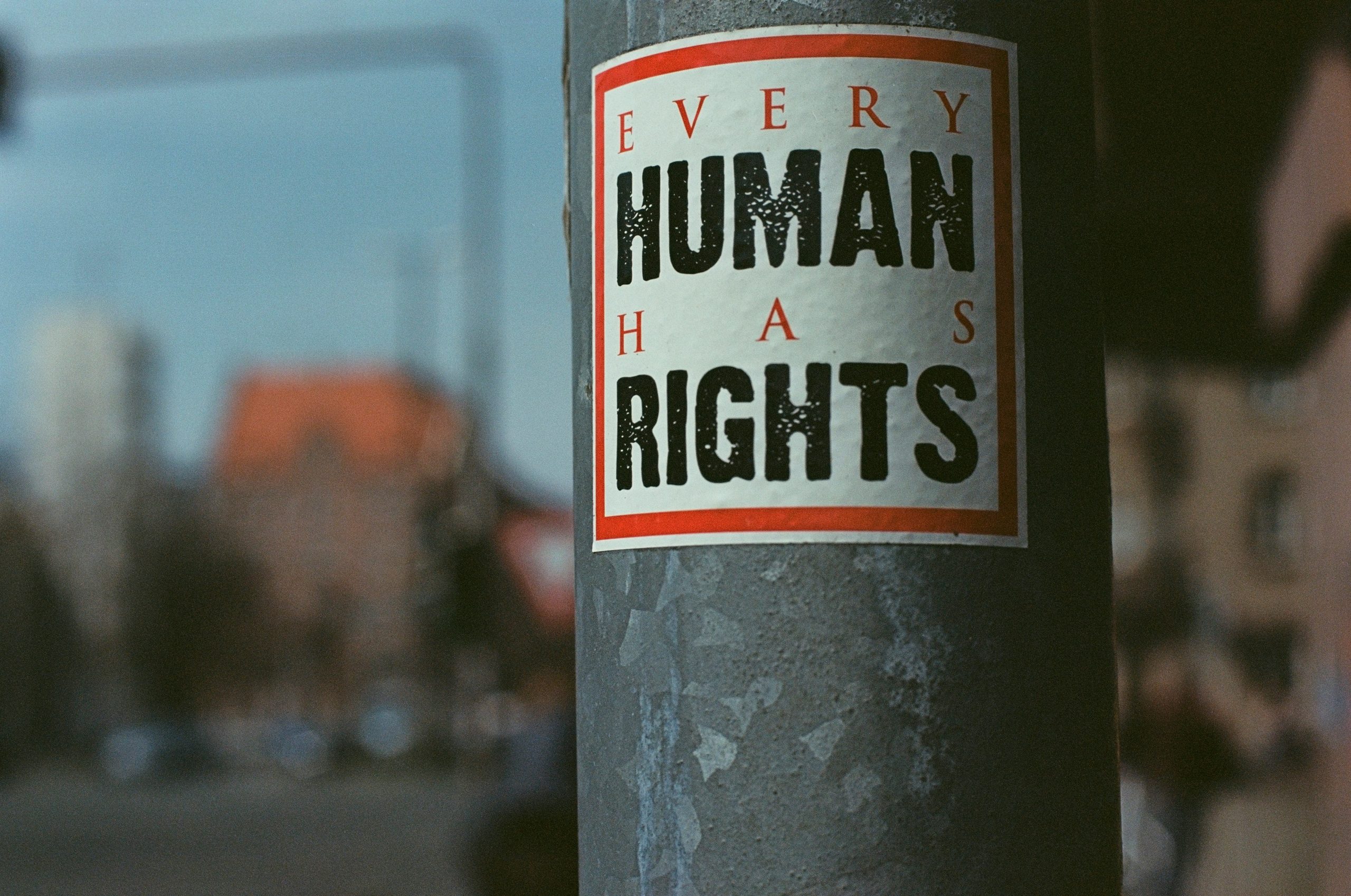
Welcome, security, health — what belonging actually looks like on the Costa del Sol
Spain is widely recognized for its progressive stance on LGBTQI+ rights, with a strong legal framework for equality, non-discrimination, and personal freedom. In Málaga and along the Costa del Sol, that legal environment is revealed through open-minded neighborhoods, international communities, and a welcoming lifestyle for people from many backgrounds.
Moving abroad means trusting a country with more than your finances — you’re trusting it with how safe you feel, how you’re treated at a doctor’s office, and whether you can simply be yourself in your own neighborhood. On those measures, Spain — and the Costa del Sol in particular — has a track record worth looking at directly.
A welcoming country, on paper and in practice
Spain doesn’t just have a reputation for openness — it currently tops the ranking. ILGA-Europe’s 2026 Rainbow Map, which scores 49 European countries on the laws and policies affecting LGBTQI+ people, placed Spain first for the first time, overtaking Malta after its decade-long lead. The ranking reflects Spain’s 2023 LGBTI and trans-rights law, a national equal-treatment authority, and reforms that removed trans healthcare from a diagnostic, pathologized framework.

That legal history is lived history right here on the coast, and nowhere more visibly than Torremolinos — twenty minutes from Málaga, and the single biggest concentration of LGBTQI+ life anywhere on the Costa del Sol. It’s been a queer-friendly destination since the Franco era, when Pasaje Begoña quietly became one of the only safe gathering spaces in the country. Today the area around La Nogalera is considered the epicenter of LGBTQI+ life in Spain, and the town’s annual Pride festival now draws well over 50,000 visitors each June.
But Torremolinos isn’t the exception on an otherwise indifferent coastline — it’s simply where that welcome is most concentrated. The same acceptance extends all along the Costa del Sol: Málaga capital, Marbella, Fuengirola, and Estepona all have visible, integrated LGBTQI+ communities woven into ordinary neighborhood life, not confined to a single district. Wherever you settle on this coast, you’re settling inside the same legal framework and the same open social fabric — Torremolinos just wears it loudest.
Security — a genuinely low-crime, low-tension place to live
Legal protection means little without physical safety, and Spain performs well there too. On the 2026 Global Peace Index — which scores 163 countries on crime, conflict, and militarization — Spain ranks among the safest quarter of countries worldwide, well ahead of the U.S. and most of the countries its American residents are moving from.
On the ground, that translates into the kind of everyday safety that’s hard to quantify but easy to feel: walkable town centers late at night, family-run businesses that leave doors open, and a visible but low-key police presence — Policía Local for day-to-day matters, Guardia Civil for the wider region — rather than heavy security. For LGBTQI+ residents specifically, that same social ease extends to public affection and identity: harassment is rare and, when it happens, is treated as a hate-crime matter under Spanish and Andalusian anti-discrimination law rather than dismissed.
Health and treatment — care that doesn’t ask who you are first
Spain’s public healthcare system, the SNS, treats residents on the basis of registration, not identity — coverage doesn’t hinge on nationality, orientation, gender identity, or marital status once you’re properly enrolled. That principle was reinforced by the 2023 trans-rights law, which removed gender identity from Spain’s medical diagnostic framework entirely: accessing hormone therapy or related care in the public system no longer requires a psychiatric diagnosis, a shift ILGA-Europe specifically credited for Spain’s 2026 ranking.
- Non-discrimination in careSpanish and Andalusian health regulations prohibit clinics and hospitals from refusing or altering treatment based on sexual orientation, gender identity, religion, or national origin.
- Depathologized trans healthcareSince the 2023 reform, legal gender recognition and related medical care no longer require a mental-health diagnosis.
- Private options for faster, English-language careGroups like Quirónsalud, Vithas, and HM Hospitales operate LGBTQI+-aware clinics across Marbella, Fuengirola, and Estepona, popular with international residents who want a familiar bedside manner in English.
- Mental health supportPublic and private mental health services are widely available, with private practices increasingly offering LGBTQI+-affirming and English-language therapy along the coast.
None of this means every clinic or every staff member gets it right every time — Spain’s own advocacy groups are candid that legal protection and day-to-day experience aren’t identical. But the direction of travel, and the legal backstop if something does go wrong, are both firmly in a resident’s favor.
What it adds up to, day to day
Put the three pieces together — legal equality, physical safety, and healthcare that doesn’t discriminate — and what you get isn’t a slogan, it’s a livable baseline. It’s why the Costa del Sol has quietly become one of Europe’s most diverse coastlines: Northern European retirees, American remote workers, and a long-established LGBTQI+ community from Torremolinos to Málaga capital, all drawing on the same legal framework and the same easygoing social fabric.
For anyone weighing a move, that’s worth separating from the marketing. The sunshine is real. So is the paperwork you’ll have to do. But so is the fact that, by the numbers that actually measure it, Spain has become one of the countries where showing up as yourself costs you the least.

Find your place on the Costa del Sol.
Whether you’re relocating alone, with a partner, or with family, we help you find a neighborhood, a home, and a residency path that actually fits how you want to live.
Request guidanceLegal frameworks and rankings referenced here (ILGA-Europe Rainbow Map, Global Peace Index) are updated annually — always confirm current standing with official sources before publishing specific figures.